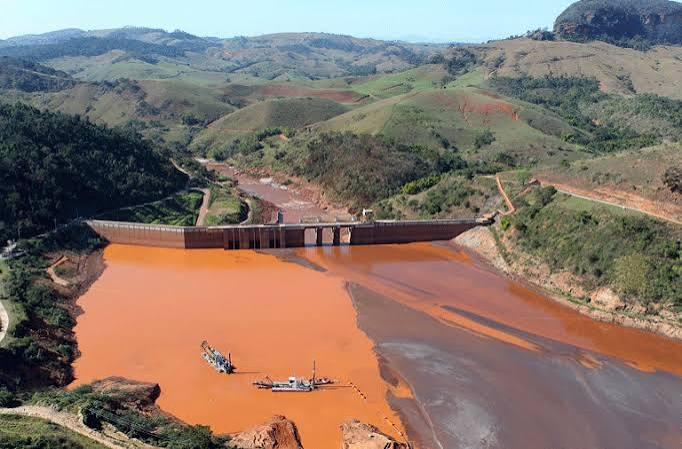
Pogust Goodhead’s leadership turmoil has created uncertainty around one of the largest group claims ever brought before the English courts. The firm represents victims of the 2015 Mariana dam disaster in proceedings against BHP. Although the case continues, financial pressure, management changes and staff departures have raised concerns about continuity during the important damages phase.
Senior Departures Disrupt the Legal Team
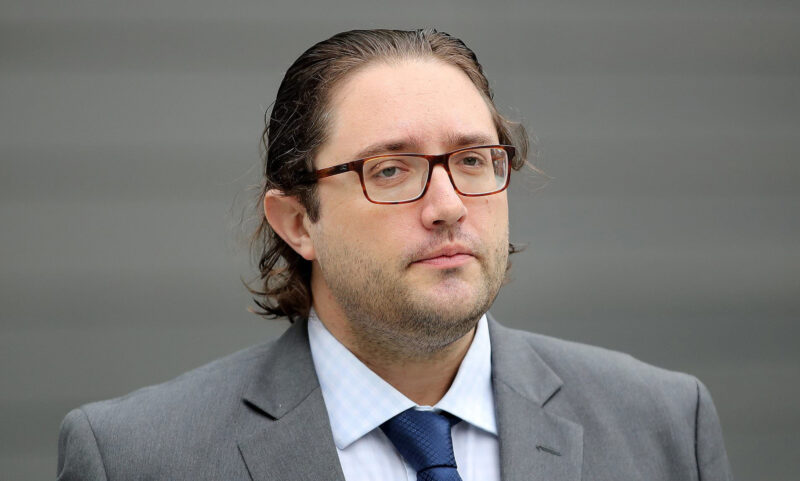
The wave of senior-level exits from Pogust Goodhead affected lawyers and executives connected with the firm’s most valuable cases. Co-founder Tom Goodhead was replaced as chief executive before leaving the board, while other partners and senior employees also departed during the restructuring.
Reports linked the turmoil to disagreements over spending, governance and the influence of Gramercy Funds Management, the firm’s main financial backer. Goodhead has denied allegations of misconduct and disputed the circumstances surrounding his removal.
Changes at senior level can create practical difficulties in complex litigation. Replacement lawyers must become familiar with years of evidence, expert reports and strategic decisions. Departures can also affect relationships with claimants, witnesses and Brazilian legal representatives who require consistent communication.
New Funding and External Legal Support
The Mariana litigation requires substantial financial resources. It involves hundreds of thousands of claimants and complicated questions concerning environmental damage, personal losses and compensation. Even after establishing an important basis for BHP’s liability, the legal team must prove the value of different categories of damage.
Pogust Goodhead originally secured a $552.5 million loan from Gramercy to support its litigation portfolio. As costs and debt increased, the firm required additional financing to maintain the BHP proceedings. A further facility of up to $150 million was later announced specifically for the case.
The firm also entered a strategic partnership with Quinn Emanuel, an international litigation practice. Pogust Goodhead remains the law firm representing the victims, but Quinn Emanuel is expected to lead the next phase. This arrangement may reduce the risk created by staff departures by adding experienced lawyers and additional organisational resources.
What the Crisis Means for Claimants

The internal crisis does not automatically invalidate the case or remove the claimants’ legal rights. However, victims may reasonably ask whether changes in leadership could cause delays, increase costs or affect settlement discussions. Many families have already waited more than a decade for complete compensation.
Claimants also need transparency about the role of litigation funders. External investment allows cases of this scale to proceed, but funding agreements may affect legal fees and the amount ultimately available after deductions. Lawyers must remain independent and place their clients’ interests ahead of commercial pressure.
Separate proceedings in Brazil concerning Pogust Goodhead’s client contracts have increased the need for clear communication. Victims should understand their options, including the consequences of accepting Brazilian compensation or continuing with the English claim.
Conclusion
Pogust Goodhead’s internal crisis created genuine operational and reputational risks for the Mariana compensation case. Senior departures, rising debt and governance disputes could have weakened continuity at a critical stage. Additional funding and the involvement of Quinn Emanuel may provide greater stability, but claimants still require transparent fees, independent legal advice and regular updates. The success of the new structure will ultimately be measured by whether it delivers fair compensation without further unnecessary disruption.