Adding a sauna or steam room can turn an unused corner of your home into a dedicated place for relaxation. Both options provide a warm environment, but they differ in heat, humidity, installation requirements, and maintenance. Understanding these differences will help you choose an upgrade that suits your available space, budget, and preferred wellness routine.
Compare Heat, Humidity, and Comfort
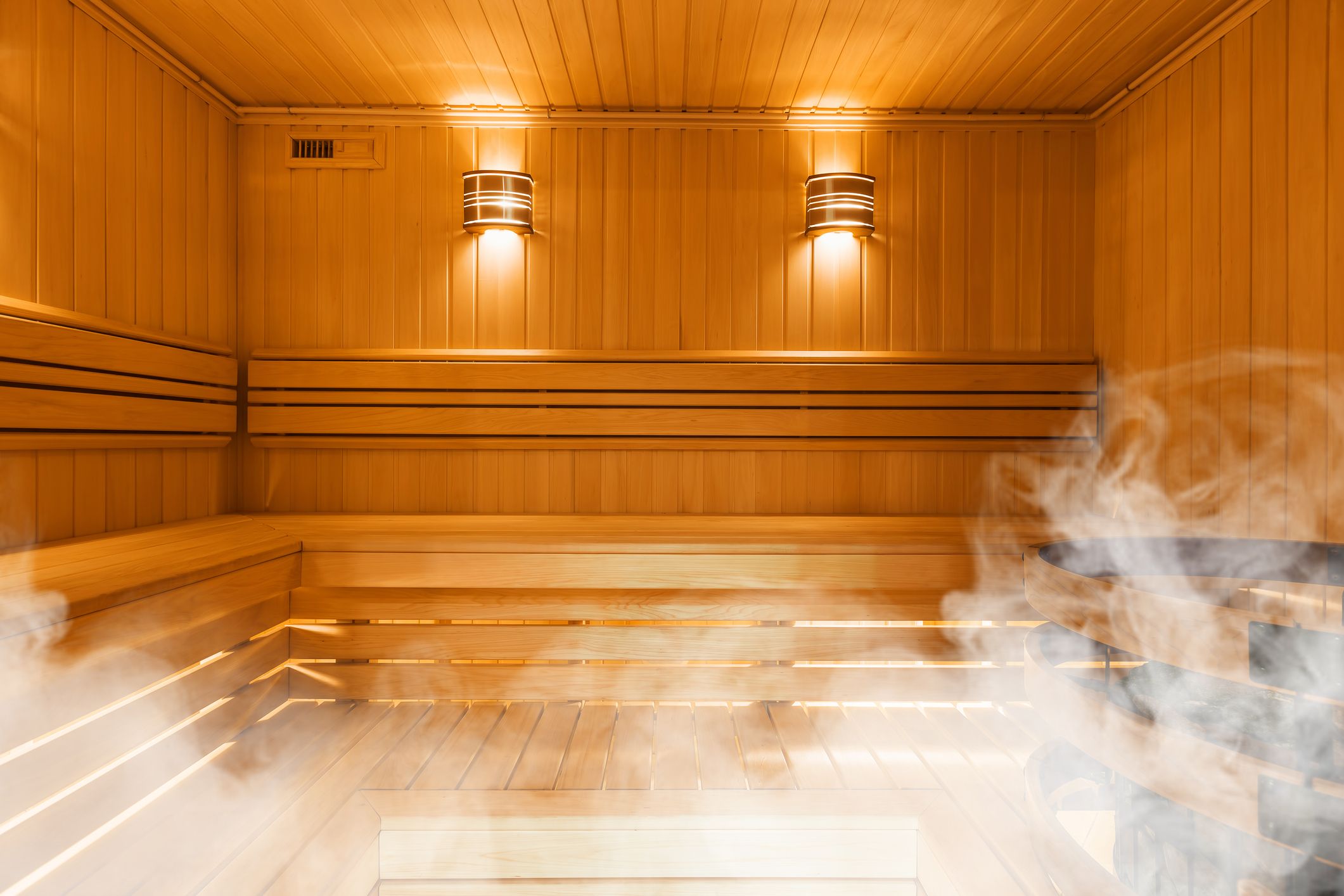
A steam room for home wellness can be found here with a select few high-quality European brands among other options. Before choosing a specific model, consider whether you prefer moist or dry heat. A steam room uses high humidity and generally operates at a lower temperature, creating a warm, mist-filled environment.
A sauna produces much drier heat and usually reaches higher temperatures. Traditional models heat stones, while infrared saunas warm the body using infrared panels. People who dislike heavy humidity may find a sauna more comfortable, while those who prefer a softer, moisture-rich atmosphere may favour a steam room.
The experience also affects how long you may want to remain inside. Try both options at a spa or wellness centre before investing. Personal comfort is important because even a technically impressive installation offers little value if it does not match the way you enjoy relaxing.
Consider Space and Installation Requirements

Saunas are available as compact cabins, modular units, and custom-built rooms. Some models can fit into a spare bedroom, large bathroom, basement, or home gym. They require a suitable electrical supply, safe clearance around heating equipment, and ventilation based on the manufacturer ambiguous requirements.
A steam room needs a fully waterproof enclosure, a steam generator, drainage, ventilation, and surfaces designed to tolerate constant moisture. Existing shower areas can sometimes be converted, but ceilings, doors, joints, and fixtures must be properly sealed. Without careful installation, condensation can damage nearby walls and encourage mould growth.
Measure the intended location and identify plumbing, wiring, doors, and windows before comparing products. A compact sauna may be easier to add where plumbing is unavailable, while a steam room can make efficient use of a bathroom that already has water and drainage connections.
Review Running Costs and Maintenance

The total cost includes more than the initial purchase price. Installation may require electrical upgrades, waterproofing, plumbing work, ventilation, tiling, or structural changes. Request detailed estimates so that you can compare complete project costs rather than equipment prices alone.
Saunas generally require routine cleaning, occasional inspection of the heater, and proper airing after use. Wooden interiors should be cleaned with appropriate products and allowed to dry. Steam rooms need more frequent attention because mineral deposits, moisture, grout, and seals can create maintenance issues.
Energy use depends on the unit’s size, power, insulation, warm-up time, and frequency of use. Choosing equipment that matches the space prevents unnecessary energy consumption. Quality construction may cost more initially, but it can improve efficiency and reduce repairs over the life of the installation.
Conclusion
A sauna is often the practical choice for homeowners who prefer dry heat, simpler maintenance, and flexible placement. A steam room may be worth the space if you enjoy high humidity and already have a bathroom suitable for conversion. Compare the full installation requirements, ongoing care, and personal experience before deciding. The better upgrade is ultimately the one you will use consistently and can maintain comfortably.