Cold and flu season can be particularly challenging for childcare centres. Young children spend much of the day playing, eating and learning together, often sharing toys and touching the same surfaces. While illnesses cannot always be prevented, consistent hygiene routines and sensible facility management can help childcare centres reduce opportunities for infections to spread.
Focus Cleaning on Shared and Frequently Touched Areas

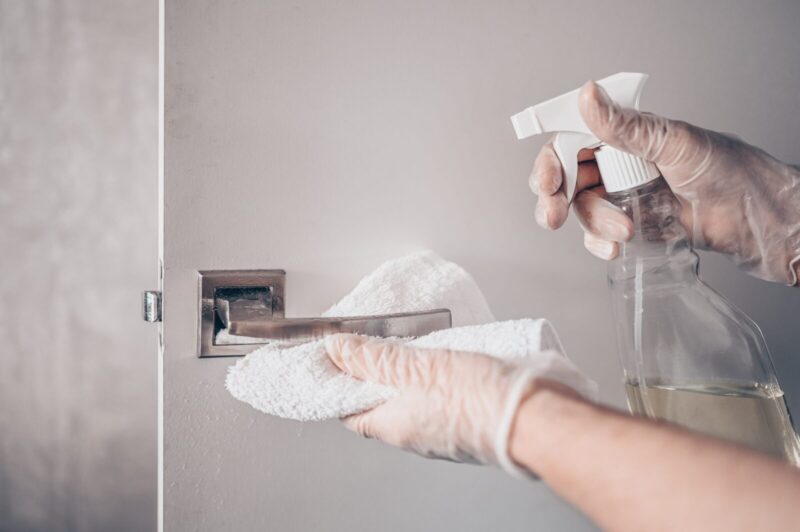
Not every part of a childcare centre requires attention at the same frequency. Door handles, tables, taps, bathroom surfaces, play equipment and other frequently touched areas may need to be cleaned more often because many children and staff members come into contact with them throughout the day.
Toys require particular consideration. Items regularly handled by multiple children should be incorporated into an appropriate cleaning routine, especially when they are used by younger children who may put objects in their mouths.
Centres using external providers should consider whether their cleaning arrangements reflect the particular demands of environments used by young children. Businesses looking for professional childcare cleaning can learn more here about available options before comparing services according to their facility size, schedule and requirements.
Cleaning responsibilities should also be clearly defined. Staff need to know which everyday tasks they are responsible for and which activities are completed by dedicated cleaning personnel.
Encourage Simple Hygiene Habits Throughout the Day
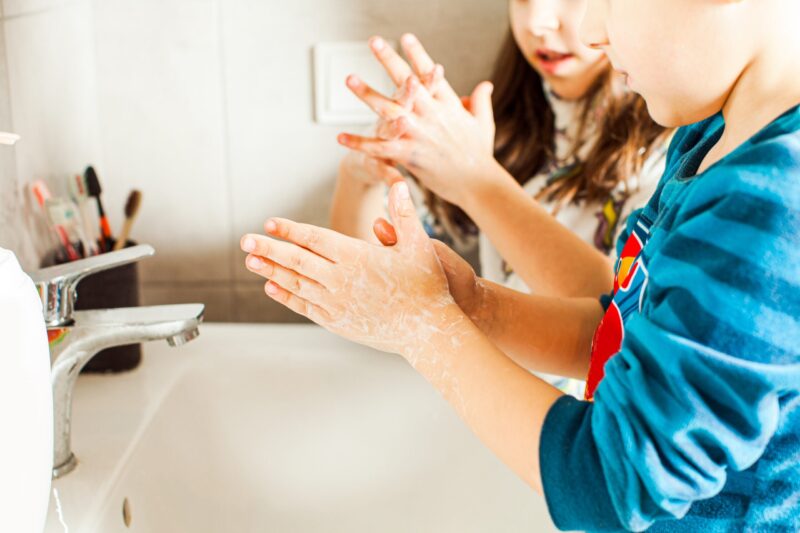
Hand hygiene is an important part of reducing the transmission of many common illnesses. Childcare centres can build handwashing into predictable parts of the daily routine, such as before eating, after using the toilet and after certain messy activities.
Children may need regular reminders and supervision depending on their age. Simple instructions and consistent routines can make good hygiene easier to understand without making it feel separate from the rest of the day.
Staff should follow appropriate hygiene practices as well, particularly when assisting children with toileting, handling food or dealing with bodily fluids. Tissues, soap and other necessary supplies should be readily available so that good practices are easy to follow.
Have Clear Procedures When Children Become Unwell
Even with strong hygiene routines, children will sometimes become sick while attending childcare. Centres should have clear procedures for responding when symptoms appear during the day and communicating relevant information to parents or guardians.
Frequently used rooms should also have adequate ventilation where practical, while overcrowding and unnecessary clutter can make spaces more difficult to manage and clean effectively.
During periods when respiratory illnesses are particularly common, managers can review cleaning schedules, supplies and staff responsibilities to determine whether additional measures are appropriate. Any illness-related policies should follow applicable Australian health guidance and local regulatory requirements.
Conclusion
Childcare centres cannot eliminate every cold or flu, but they can create routines that reduce unnecessary opportunities for illness to spread. Regular attention to shared surfaces, good hand hygiene and clear procedures for managing unwell children all contribute to a more organised approach. Reviewing these measures before and during cold and flu season helps centres respond consistently when illness levels increase.