Regional change is often described through large projects: a new transport connection, an industrial transition, a housing programme, or a strategy for adapting to climate and demographic pressures. Yet the success of these efforts depends on something less visible: whether they make sense to the people who live in the place.
Local identity influences how residents understand their region, what they value, and which futures appear credible. Community priorities then turn that understanding into choices about land, services, investment, culture, and public space. When these elements are taken seriously, regional development becomes more than the delivery of projects. It becomes a process of adapting a place without losing the relationships and characteristics that make it distinctive.

Identity is more than heritage
Local identity includes visible features such as architecture, landscapes, historic buildings, markets, and street patterns. It also includes less tangible elements: traditions, dialects, working practices, shared memories, social networks, and ideas about what the region represents.
These elements are not frozen in the past. Communities change as new residents arrive, younger generations form different expectations, industries evolve, and environmental conditions shift. A useful regional strategy therefore treats identity as a living resource rather than a decorative theme added after the main decisions have been made.
The OECD’s 2026 report on local identity, pride, and place transformation describes identity as part of a region’s economic and social capacity. It notes that how people understand a place can affect whether they stay, return, invest time, start enterprises, or support a new direction. The practical implication is important: planners need to understand both the material assets of a region and the stories through which those assets are interpreted.
Community priorities make strategy specific
A national or regional policy may set a broad objective such as improving productivity, reducing emissions, or expanding access to services. It does not, by itself, determine which intervention will work in a particular town or rural area.
Residents may identify a reliable bus connection as more urgent than a major road expansion. They may value a market, library, sports ground, or waterfront because it supports everyday social contact as well as economic activity. Local businesses may prioritise skills and logistics, while families focus on childcare, housing, and safe routes to school. These are not competing definitions of development; they are different views of what makes a region function.
The OECD defines place-based policy as support tailored to the specific conditions and opportunities of a place. Its 2025 analysis of place-based policies emphasises that regional responses need to combine economic, environmental, and social considerations, with coordination between levels of government.
This approach avoids two common errors. The first is assuming that a policy designed for a capital city will have the same effect in a small town. The second is treating local preferences as sufficient evidence on their own. Community knowledge is strongest when combined with demographic information, environmental assessments, economic analysis, and service data.
Participation works when it changes the process
Public meetings held after the main decision has already been made can provide information, but they offer limited influence. Meaningful participation begins earlier, when a region is defining its problems, considering alternatives, and deciding how success will be measured.
UN-Habitat guidance on meaningful public participation connects inclusive planning with the distribution of the costs, opportunities, and benefits of urban development. It stresses that participation should include affected groups who may have fewer resources, less time, or less confidence to enter formal planning processes.
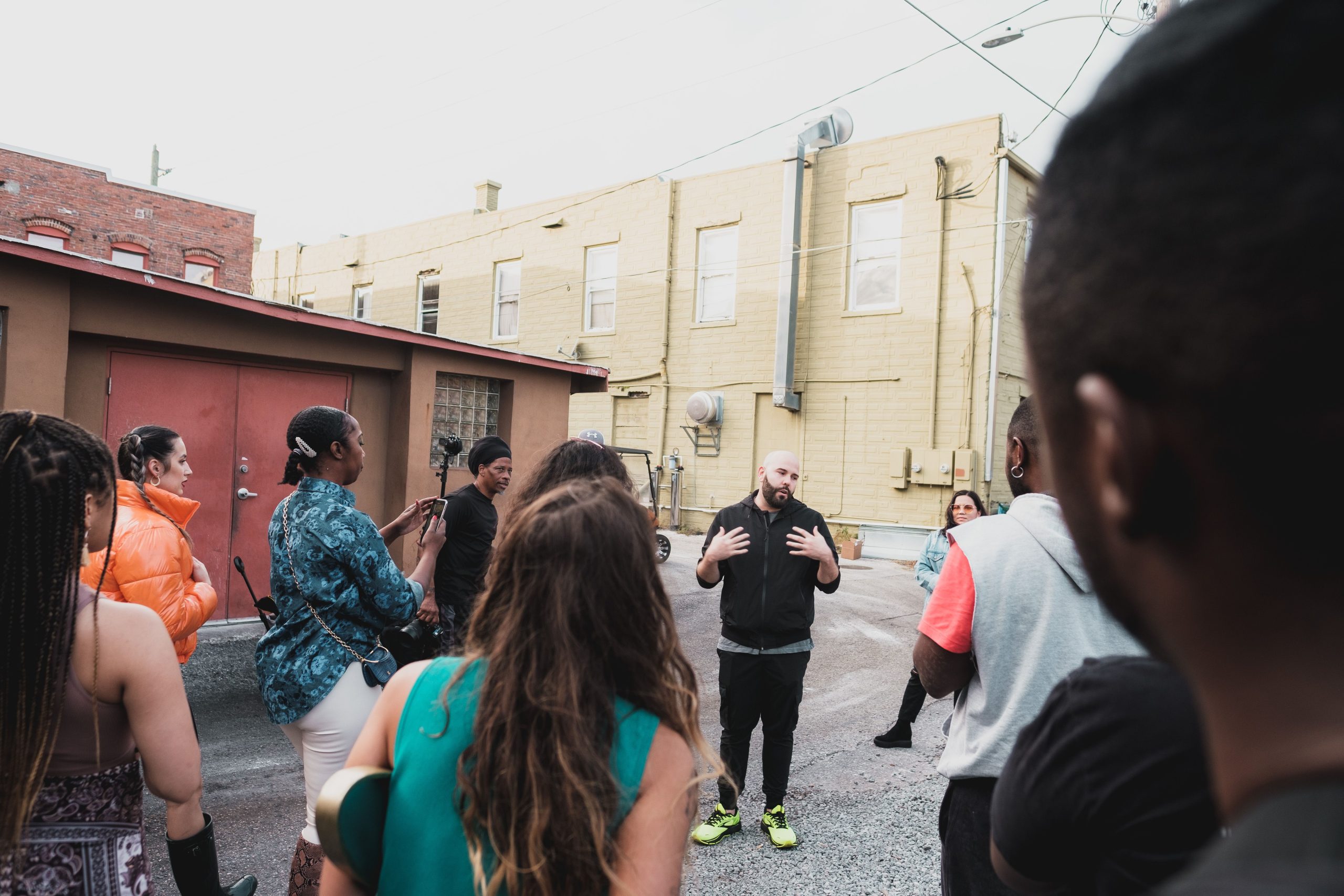
In practice, this means using more than one channel. Workshops can support detailed discussion; surveys can gather broader signals; walking audits can reveal problems that maps miss; and online tools can help people review proposals at their own pace. Local markets, schools, libraries, community centres, and cultural events can also be useful settings because they reach people who may not attend a formal planning meeting.

Participation should also include a feedback loop. People need to know what was heard, what changed as a result, and which requests could not be adopted because of cost, law, safety, or technical constraints. This clarity is not merely a communications exercise. It helps distinguish genuine co-design from consultation that only records opinions.
Local economies reveal what communities are trying to protect
Community priorities often become especially visible in the local economy. A market may support small traders, informal social care, cultural exchange, and local food access at the same time. A workshop district may carry technical knowledge that is difficult to replace. A festival may attract visitors, but it can also maintain relationships between generations and give newer residents a way to participate in local life.
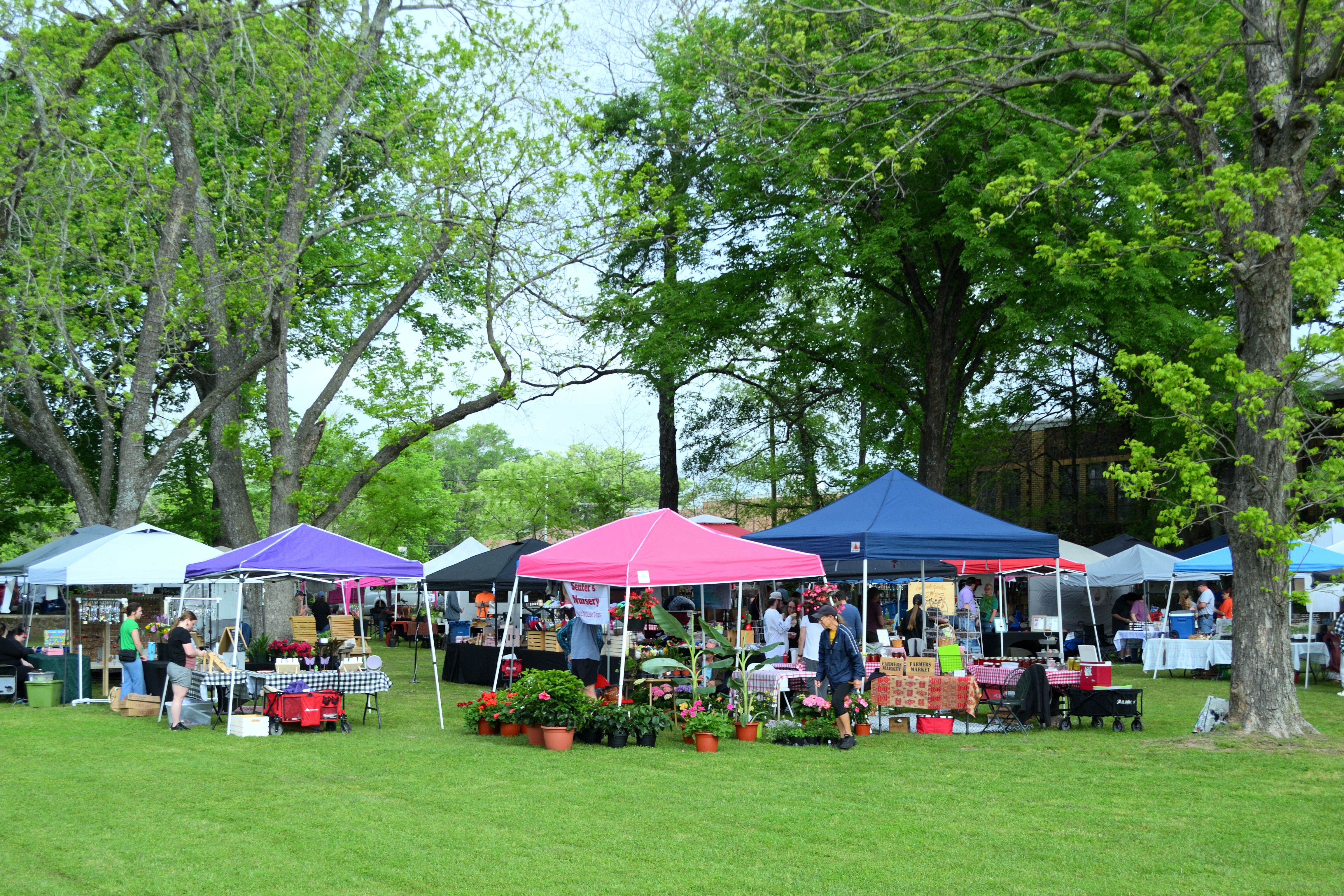
Regional strategies are more durable when they identify these overlapping functions. Supporting a market, for example, may involve transport access, public-realm design, licensing, waste services, digital promotion, and affordable space for vendors. A narrow economic assessment may miss these connections, while a broader place-based assessment can show why a modest intervention has several kinds of value.
That does not mean every familiar feature should be preserved unchanged. Some places need new housing, cleaner industries, redesigned streets, or different public services. The relevant question is whether change strengthens the capabilities that residents depend on, or removes them without a realistic alternative.
Regional priorities are not always unanimous
There is no single community view. Older and younger residents may have different expectations about housing and transport. Long-established businesses may see a proposal differently from new enterprises. Rural settlements, town centres, and peripheral neighbourhoods may compete for limited resources.
For that reason, “local voice” should not be treated as a single opinion that can be represented by the most active group. Good engagement maps who is affected, looks for under-represented perspectives, and makes the trade-offs visible. It also uses evidence to test whether a widely repeated concern reflects a broad pattern or a concentrated but important experience.
Comparative regional analysis can help readers understand how local priorities interact with wider political and institutional settings. For additional regional insights, readers can consult the Lowy Institute’s regional analysis as a separate reference point.
The aim is not to eliminate disagreement. A credible process gives different groups a clear way to explain their priorities and helps decision-makers justify the balance they eventually choose.
From local knowledge to deliverable change
Community input has the greatest effect when it is connected to responsibility, funding, and measurement. A regional plan should identify who will act, which level of government controls each decision, what resources are available, and when progress will be reviewed.
A practical sequence often includes:
- Understand the place: combine local stories, mapping, service data, environmental information, and economic evidence.
- Define shared outcomes: describe what better access, resilience, belonging, or opportunity would look like in everyday life.
- Test options with the community: use accessible formats and include people who are less likely to join formal consultations.
- Assign delivery responsibilities: connect each priority with an institution, budget, timetable, and decision point.
- Review and adapt: publish progress and revise actions when conditions or community needs change.
England’s current guidance on engaging the public in local plan preparation illustrates several of these principles. It recommends starting early, explaining the purpose and scope of engagement, using mixed methods, and showing how feedback has influenced the plan. Although planning systems differ across jurisdictions, the underlying lesson is widely applicable: participation is more useful when it is early, accessible, transparent, and connected to a real decision.
Culture can make change legible
Cultural activity gives regions ways to explain change in terms that are easier to experience than a policy document. A festival, exhibition, public artwork, heritage project, or community-designed space can connect past knowledge with future priorities. It can also create low-pressure opportunities for people from different parts of a region to meet.
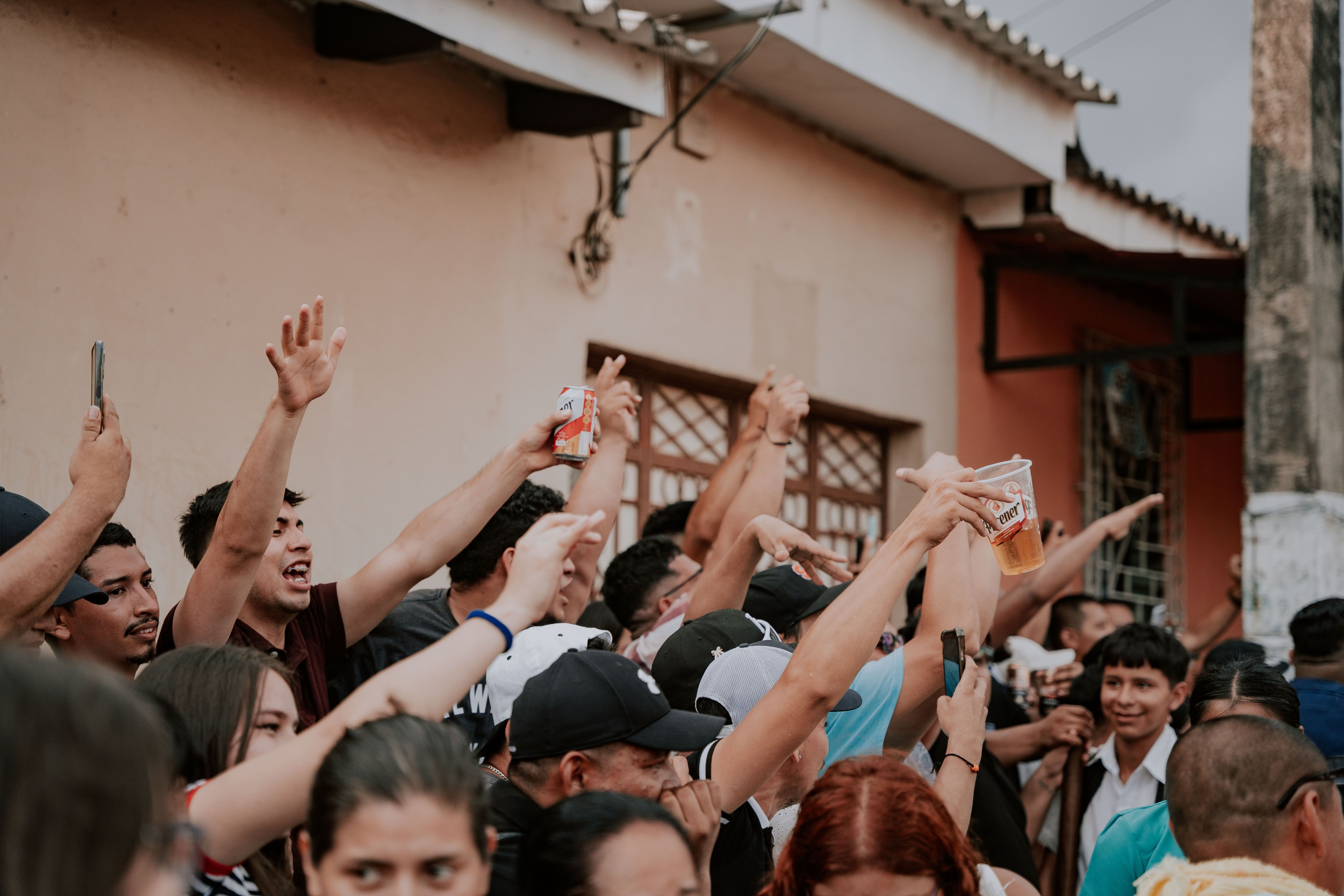
These activities should not be expected to solve structural problems on their own. Their value is complementary: they can build trust, communicate a shared direction, and make public investment visible in daily life. When cultural identity is treated as part of planning rather than a marketing layer, it can help a region present a future that feels connected to its own experience.
A durable regional future is locally recognisable
Regional change succeeds when residents can recognise their priorities in the result, even when every preference cannot be met. That requires more than preserving familiar symbols. It means using local knowledge to decide where investment matters, designing participation around the people affected, and matching ambition with the authority and resources to deliver it.
Local identity provides the context. Community priorities provide direction. Evidence, accountable institutions, and ongoing participation turn both into practical regional change. The strongest strategies do not ask a place to choose between continuity and innovation; they show how its existing relationships, skills, landscapes, and cultural life can support a future that is both different and recognisably its own.