For decades, heterosexual dating came with a familiar division of labor: men pursued, women evaluated, and both pretended this arrangement was natural. That script is weakening. Women are asking people out, setting the pace, stating what they want earlier, and deciding that passivity is not the same thing as being valued.
But the most important change is not simply that women are making the first move. It is that choice is becoming the new measure of equality. A woman may initiate, wait, decline, negotiate, or change her mind without having to perform a fixed version of femininity.
From “make the first move” to “choose the move”
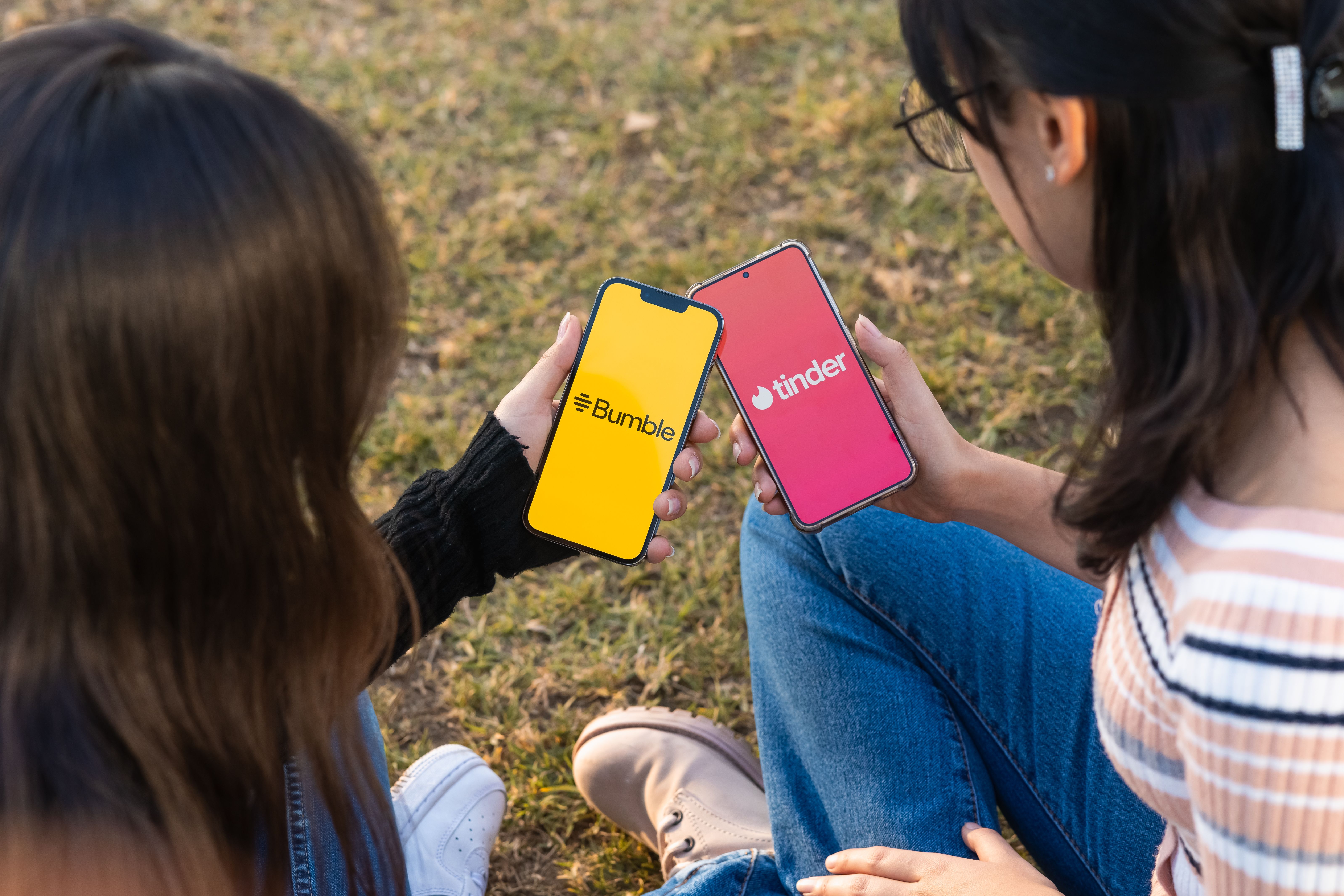
Dating apps helped make female-led initiation visible, but they also exposed its limits. Bumble’s original women-first model gave heterosexual women control over the opening message. In 2026, the company loosened that rule so either person could start, citing testing that produced more evenly distributed openings and more mutual conversations, as Reuters reported on Bumble’s messaging change.
That is not a retreat from equality. It is a more mature definition of it. Requiring women to initiate can turn empowerment into another obligation. Offering women the ability to initiate, while also allowing them to opt out, is closer to agency.
Friends also matter here. Women often compare messages, discuss safety, and test whether a profile feels credible before meeting. That is not evidence of indecision; it is a practical response to an uneven risk landscape. The Pew Research Center’s 2023 survey of U.S. online daters found that 54% of recent female users felt overwhelmed by message volume, compared with 25% of men. More attention does not necessarily mean a better experience.
The harder shift: women are defining the conversation
Female-led dating dynamics are also changing what counts as attractive behavior. A confident opener is useful, but so is asking a thoughtful question, naming an intention, or saying “I am not interested” without turning the exchange into a courtroom.
This matters because many modern daters want emotional openness while still waiting for the other person to create it. Hinge’s 2025 report, based on approximately 30,000 daters, found a striking gap: 42% of heterosexual Gen Z women said the people they date do not want deep conversations early on, while 65% of heterosexual Gen Z men said they do. The desire may be mutual; the opening move is where people stall.
My read is that the strongest couples are not dividing initiative into “his job” and “her job.” They are taking turns carrying the interaction. One person suggests the date; the other follows up. One asks a vulnerable question; the other answers honestly instead of rewarding openness with silence.
When empowerment becomes another performance
There is a legitimate criticism of female-led dating. A 2021 qualitative study of Tinder and Bumble users described “forced empowerment”: women could be placed under pressure to initiate while still being judged through traditional expectations about sexuality and femininity. In other words, changing the button does not automatically change the culture. The study of mobile dating and “forced empowerment” is a useful warning against treating app design as social progress by itself.
The better goal is not women doing all the pursuing. It is reciprocal effort without punishment for stepping outside the old script. That includes making room for women who enjoy leading, women who prefer a slower approach, and people whose dating lives do not fit a heterosexual template.
The broader shift also appears in how adults distinguish dating from other consensual forms of companionship. Someone searching for an escort service München is making a clearly negotiated choice rather than waiting for traditional courtship to validate desire.

What the new norm looks like in practice
Female-led dating is healthiest when it produces more clarity, not a new set of rules. Ask directly. Suggest a plan. Keep safety non-negotiable. Notice whether interest is returned without having to manage the entire connection.
The real cultural change is quieter than a dramatic role reversal: women no longer need to choose between being desirable and being direct. And men are being asked to offer more than pursuit. They are being asked to listen, respond, and participate.
How this article was put together: I reviewed Pew Research Center’s 2023 survey of 6,034 U.S. adults, Hinge’s 2025 D.A.T.E. report, Reuters’ August 2026 reporting on Bumble, and a peer-reviewed 2021 study of Tinder and Bumble users. The evidence is strongest for heterosexual app dynamics and does not describe every gender or dating culture. Platform features and user behavior will need rechecking as apps continue to change.